
BY GREENCOMMS WRITER
As climate change impacts continue to batter economies and disrupt livelihoods across the globe, through erratic rainfall patterns, prolonged droughts and unprecedented flooding, access to clean water is emerging as a major challenge for a large swathe of the world population.
However, for thousands of residents of Alego-Usonga Sub-County in Siaya County, a network of dams built a few years before independence has proved to be the magic wand for the mounting need for reliable and sustainable sources of water for use, in the face of relentless and debilitating climate change impacts.
The dams guarantee locals clean water for household use, for their livestock, for commercial enterprise and even for small-scale downstream irrigation.
The dams – Tinga Mwer, Tinga Nyasita, and Tinga Kaugagai – bear the name “Tinga,” derived from the term “tractor” or “bulldozer,” with the other referring to the physical location. Mwer, Nyasita and Kaugagi are administrative units in the vast sub-county.
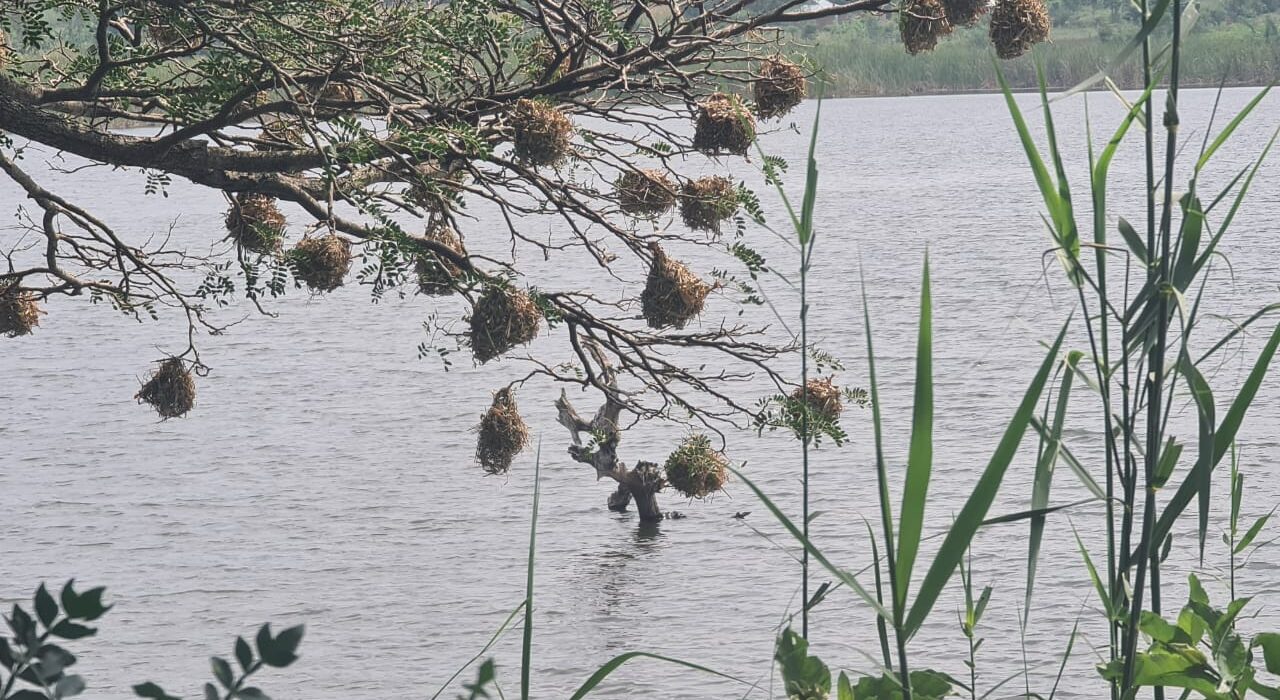
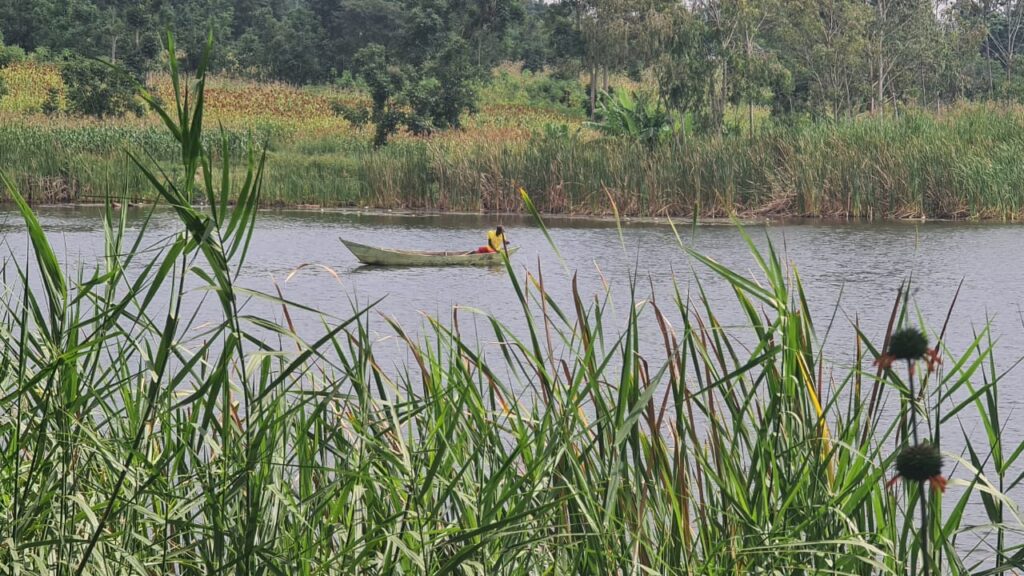
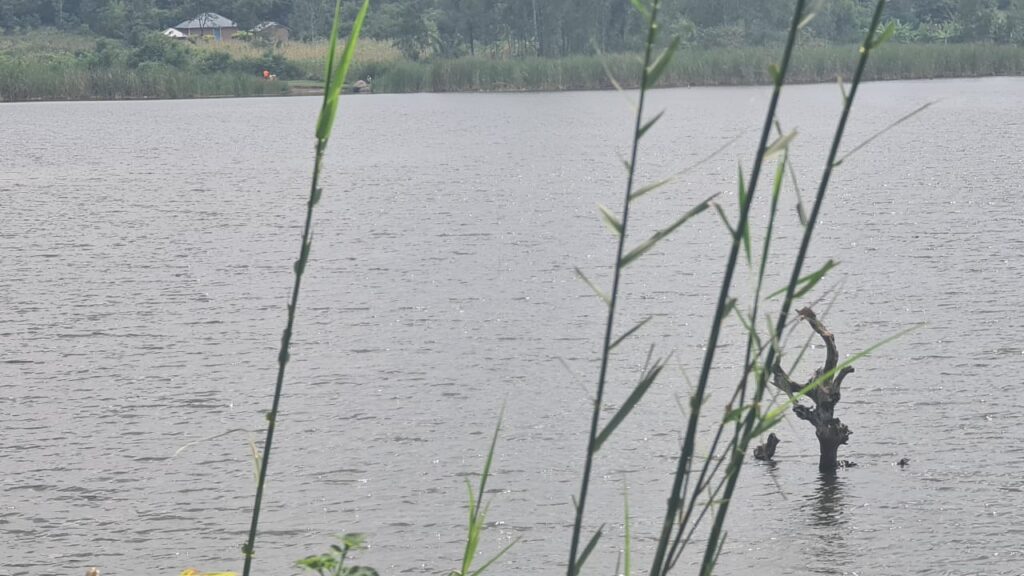
Ringed by lush hippo grass, reeds and other vegetation, the dams are connected by water lines that transform into sparkling rivulets during the long rains.
Through these seasonal streams, any overflow triggered by the heavy rains in the upper catchments is channelled to dams downstream, and all the way to Lake Kanyaboli and eventually to Lake Victoria.
Not even prolonged droughts that periodically ravage this part of Siaya County have been able to even marginally reduce the water volume in the dams, a demonstration of the wisdom and foresight that went into the project idea and identification of the ideal sites for the dams.
Due to their conservation and preservation by locals, the dams have become permanent sources of water for locals and present the added advantage of irrigation for subsistence farming downstream.
Their existence has confined to the dustbins of history the trouble the locals had of travelling long distances to River Nzoia on one side and Lake Kanyaboli to fetch water for household use and for their livestock.
A recent move by the government of Kenya to populate the dams with thousands of fish fingerlings further bolsters the position of the dams as a major source of food for locals, for whom fish is a favourite delicacy.
No walk in the park
But as with every noble initiative, it wasn’t a walk in the park convincing many locals of the long-term benefits the dams would present when the projects commenced in 1955.
As Mr Lawrence Ajienga Halonda of Ulanda village recalled, many considered the proposal by the colonial regime as a nefarious scheme to grab their land.
“The dams project was initially a hard sell. I remember one villager who opposed the idea going as far as lying prostrate on his plot of land and daring the tractors to trample him,” said Mr Ajienga in an interview for this write-up.
“But many others appreciated the magnitude of the water problem in the area at the time and deemed the dams a practical solution to the menace. They willingly donated their tracts of land for the dams,” he added.
He described the notion of the dams project as a planning masterstroke by the colonial regime, its execution dramatic, and the outcome resoundingly successful.
“As a young man, I saw them being dug. When the bulldozers roared into the villages, we watched in awe as they felled huge trees that straddled the sites identified for the dams.
“The colonial administration was very visionary. They saw there was an acute need for water for locals; they assessed the water lines and determined places where the dams would be of utmost benefit for locals,” he added.
The same sentiments were shared by Mama Mary Ayomo of Kaor village. “The fact that the dams have never dried up even during the longest and harshest of droughts demonstrates the informed consideration that went into the planning. That was a great idea,” she said.
Long before piped water started snaking its way across many villages in Kenya, trading centres, boarding schools and church compounds in this locality were enjoying access to clean drinking water pumped to their backyards.
Immense benefits to locals
In an earlier interview, Mzee Charles Agutu, now deceased, revealed that the construction of the dams started in 1954 and proceeded non-stop to conclusion, with immense benefits to locals.
“Before the dams were built, we used to walk for almost eight kilometres to River Nzoia, the nearest water body from where we fetched drinking water and watered our livestock. It was a herculean task those days, but we had no options. However, this changed as we now have the dam right in our village that meets all our water needs.”
He added that strategically located spillways determine the volume of water that each of the dams can hold at any given time, while the excess easily flows downstream. This ensures that neighbouring villages are not flooded.
Enterprising locals have tapped into the dam, using it to irrigate land where they grow tomatoes, cabbages and other vegetables. Fishermen, too, have not been left out as they harvest the many fish species in the dam.
Retired Sigoma-Uranga Assistant Chief Nicholas Ayimba narrated that though the dams were for decades under the national government, the responsibility had been devolved, and the county was fully in charge.
But he says locals need to be taught how to exploit the dams sustainably for both domestic and commercial usage, for present and future generations.
Though fishing has thrived in the dams for as long as they have existed, the activity is expected to go a notch higher, as locals cash in on the abundant fish stocks, following the introduction of more fish species in the dams.
However, in order to make the fishing industry sustainable, the locals have been urged to take a keen interest in managing the dams to prevent overfishing and rapid depletion of the stocks.
For thousands of these residents of Alego-Usonga, the dams have transformed from being relics from the colonial era to what they are now cherished for – sources of clean water, food, income and, therefore, reliably cushioning local livelihoods against the ravages of climate change.
