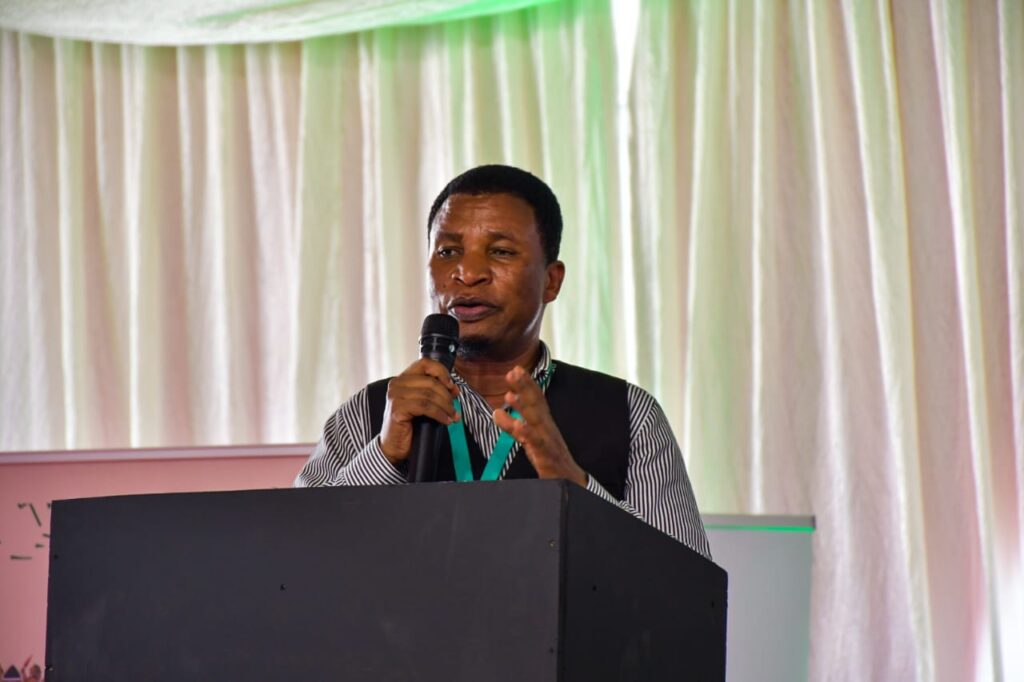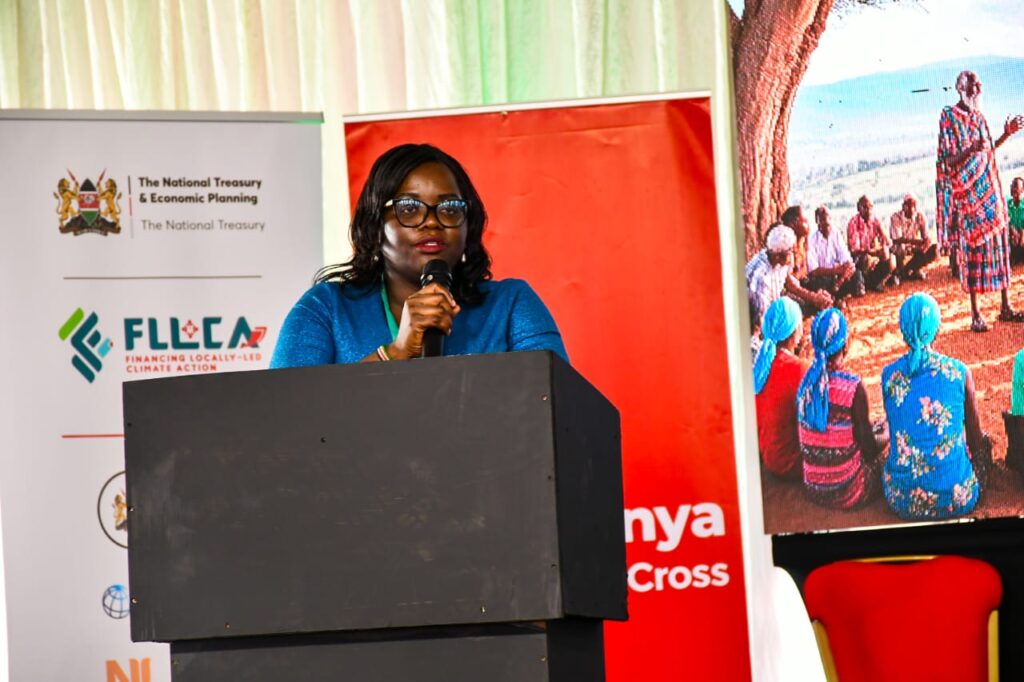
The Financing Locally-Led Climate Action (FLLOCA) program has been lauded for its thrifty management of funds in its activities aiming at addressing climate change impacts across Kenya.
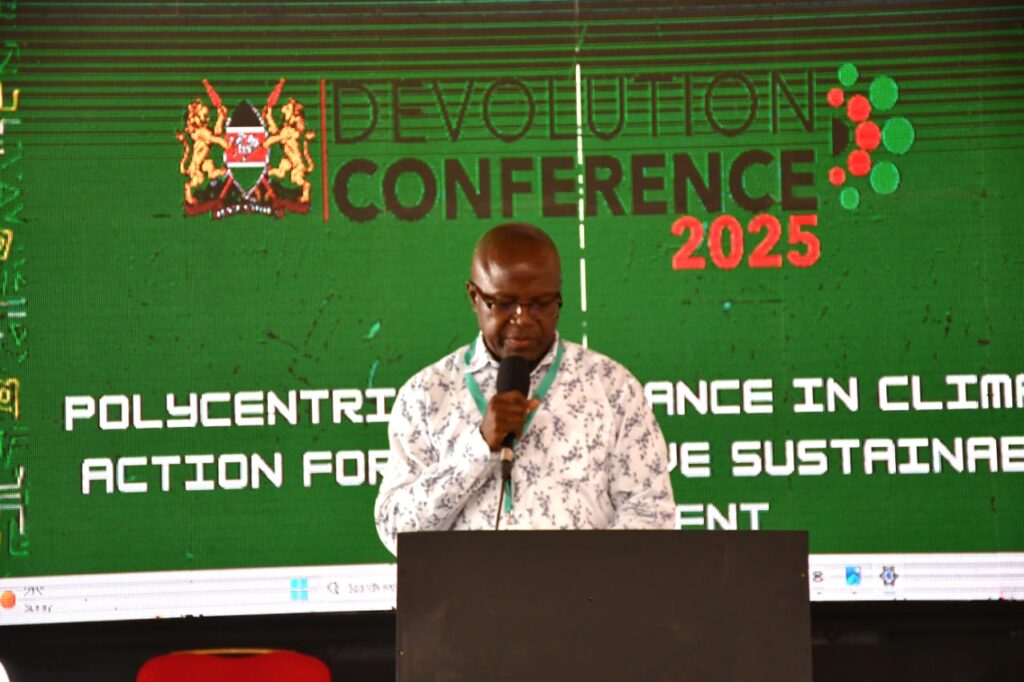
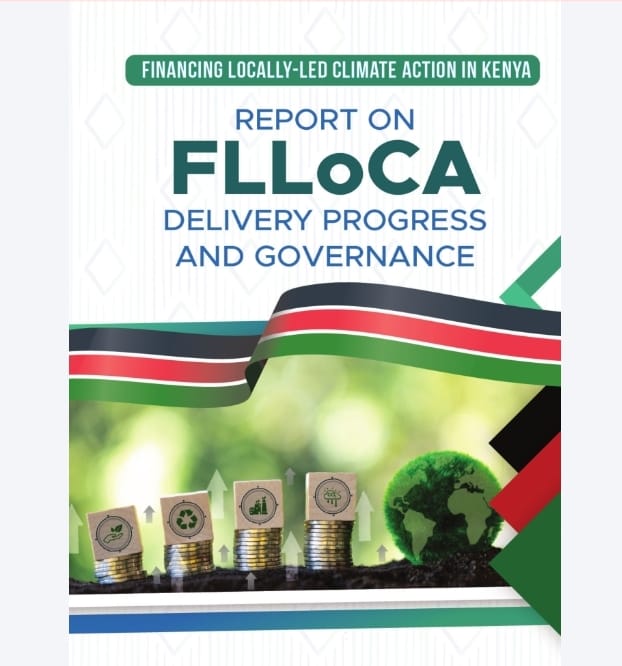
During the launch of the FLLOCA Delivery Progress Report event at the recently concluded devolution conference in Homa County, Senator Moses Kajwang’, who presided over the event, noted that the previous financial audit report by the Auditor General revealed no significant or material financial issues from a financial perspective.
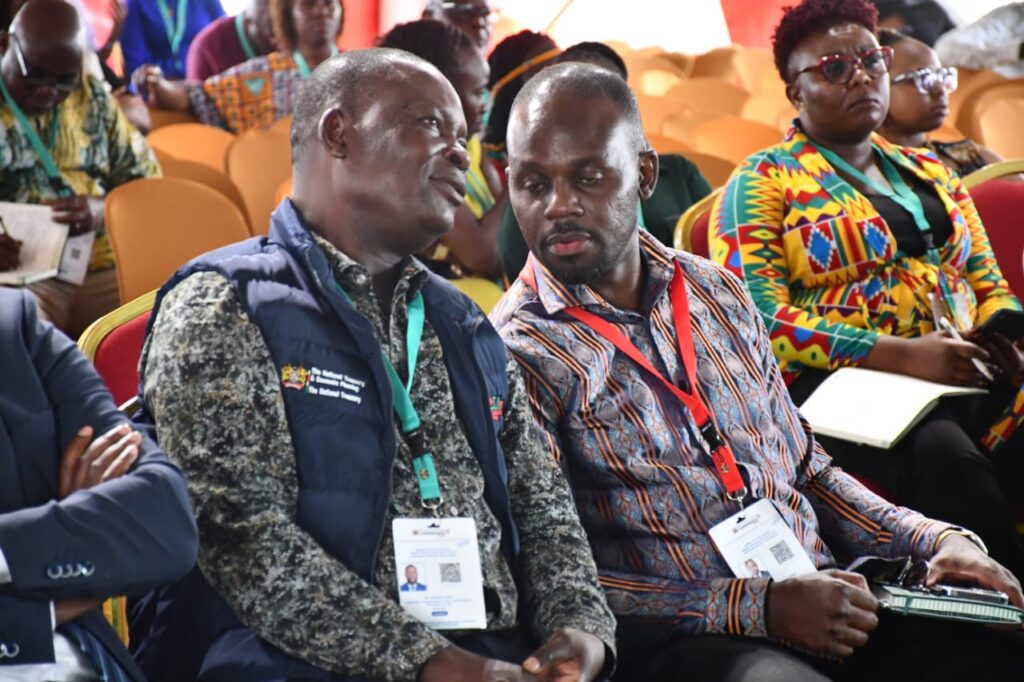
“Let’s use FLLOCA as a benchmark on matters of financial management,” Kajwang’ exhorted.
The legislator made a resounding call for another phase of FLLOCA, considering that the first 5-year initiative is soon coming to an end.
“I’m hoping that we can have FLLOCA 2, source resources, and keep orienting communities to adapt to climate change issues,” Kajwang’ added.
Kajwang’ further urged stakeholders and other climate-oriented community-based organisations (CBOs) to develop a competitive approach to ranking the best county in terms of climate change adaptation.
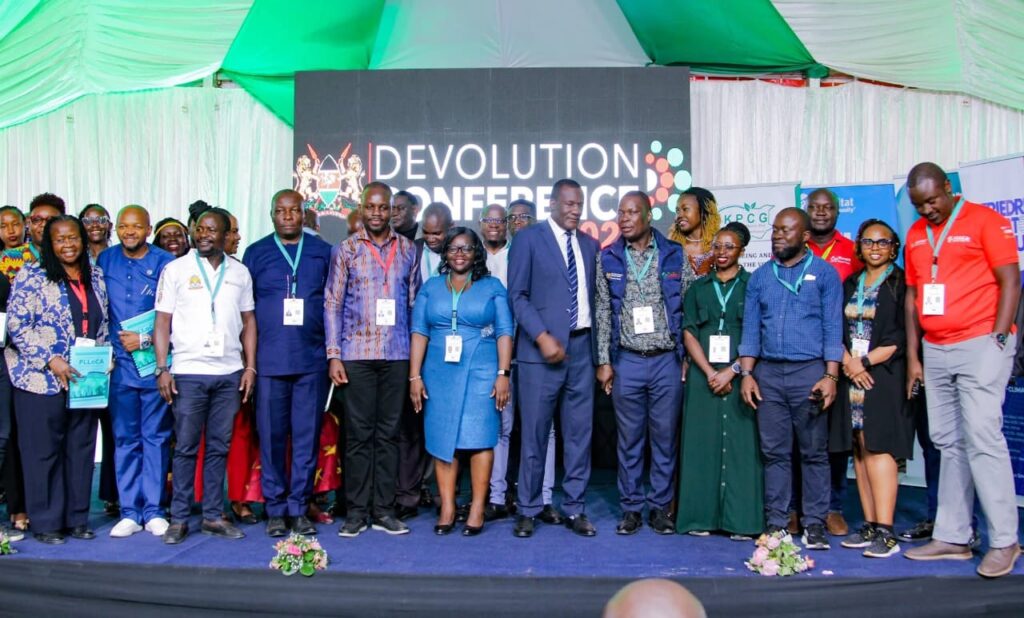
The same sentiments were also echoed by Senator Catherine Muma (nominated senator), who stated that indicators for evaluating counties should be established and the awards given within the parameters set.
“If we develop the indicators for evaluating counties and we play the oversight role and we compare notes, and the award is given from a very objective perspective,” said Muma.
She urged the CBOs to initiate conversations with farmers and locals on how to prevent human-animal conflicts, which often result in losses for both parties. Senator Muma is a member of the climate caucus in the Senate, chaired by Senator Kajwang’.
On her part, Kinuthia Muratha, the task team leader at the FLLOCA program, said that FLLOCA is a reform program, and many participants need to be incorporated.
“FLLOCA was not designed because things are perfect. It is a reform program, and so let us include more common public knowledge of FLLOCA among everyone, including marginalised persons like women and people with disabilities, so that we create an impact in our entire communities,” Muratha said.
Some of the significant findings of the delivery progress report include that youths, women, and people with disabilities feel marginalized in terms of climate change adaptation measures, and that over 50 percent of respondents expressed satisfaction or high satisfaction with their engagement with FLLOCA.
“Awareness & Participation – 74% of respondents were unaware of specific FLLoCA projects locally.
56% recognized community-initiated projects, but more outreach and clear labelling/signage are needed. Participation of youth (33%), persons with disabilities (28%), and women (22%) is growing but still limited. Awareness of the grievance process stands at 27% at the community level,” read the report.
The report also noted that FLLoCA has achieved significant governance milestones, providing a strong institutional foundation for locally led climate action, and that County Climate Change Units (CCCUs) are operational in all 47 counties, while Climate Change Acts and Policies with dedicated funding have only been adopted in 33 counties.