
BY MAZERA NDURYA
Scientists have described mangroves as the “lungs of the sea” while others have called them the “unsung heroes of the ocean”. Communities living along the coastline too have their story – they hold the aquatic forest in high esteem because it is the source of their livelihood – fisheries.
“These amazing trees not only protect our coastlines from storms and erosion but also filter water, absorb nutrients, and support a diverse array of marine and terrestrial species. And that’s not all – mangroves are also carbon sequestering powerhouses, absorbing up to 1000 tons of carbon per hectare per year,” according to Perry Institute For Marine Science.
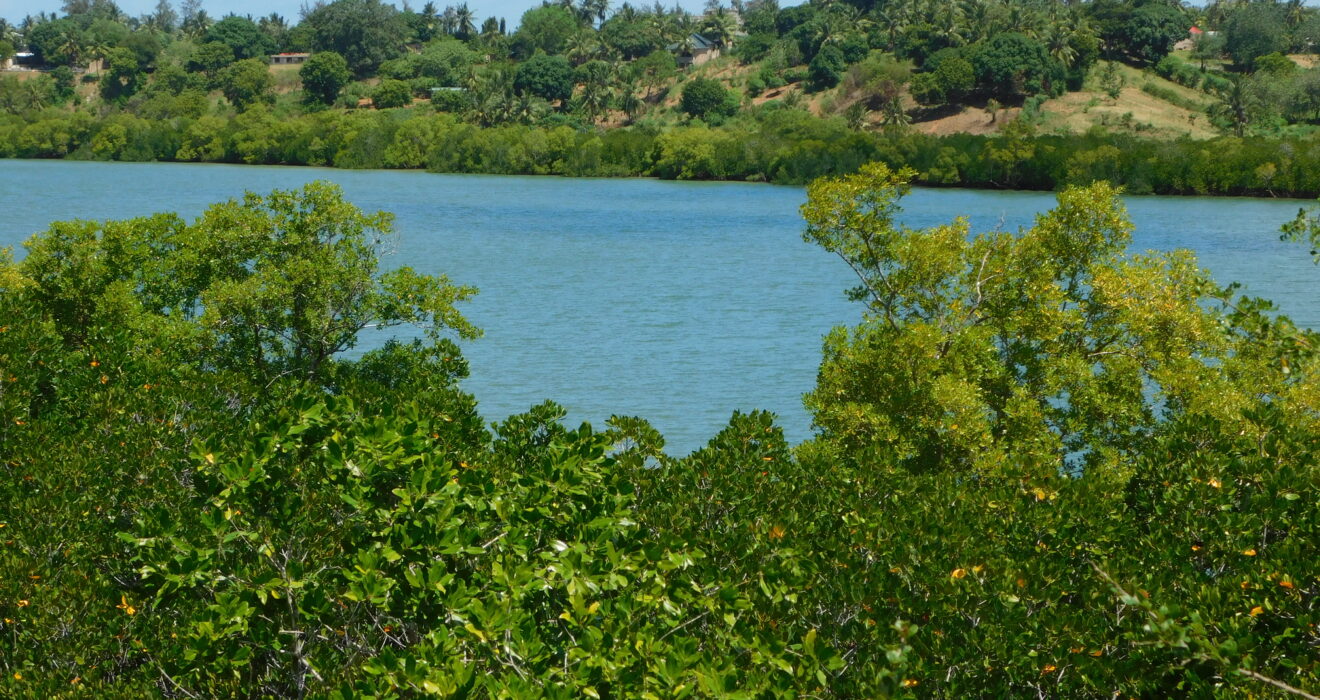
Along Kenya’s Indian Ocean coastline, where rivers meet the sea and tides move through creeks, lagoons and estuaries, mangrove forests form one of the country’s most important coastal ecosystems. These forests may appear at first glance to be little more than dense stands of trees growing in muddy, salty environments. In reality, they are highly productive ecosystems that connect land, freshwater and ocean systems providing ecological, economic and climate benefits to coastal communities.
David Taura has been one of the pioneers of mangrove conservation along the Kenyan coast. His journey started in 2000 in Majaoni along the biodiversity-rich Mtwapa creek in Mombasa County.

Taura is the founder of Comensum Self Help Group, a group involved in mangrove restoration after planting tens of thousands of mangroves to restore degraded areas.
“Back then we treated the creek as a national resource replete with mangroves and assorted biodiversity including the ocean and as the community we had stake in it.
“At the age of about 15 years, the mangrove forest was thick and intact and even after the water had receded in the low tides, we would get crabs just by collecting and putting in baskets and go home. During high tides one would pick a line and bait to fish and get good catch of fish,” said Taura.
Back then, he said there was a small population but as the numbers grew, some people started cutting down the mangroves for firewood, building poles as well as for making charcoal. Soon, the abundance of fish they were used to seeing started going down. Several years later after interacting with researchers and conservation organizations, it became clear to the community that there was a direct link between mangroves and fish stocks.
“That’s how we started witnessing the fish stocks dwindling. I can bear testimony of the abundance of fish while growing up. I felt there was a need to start something and my quest was driven by the desire to start some projects within the creek,” he said.
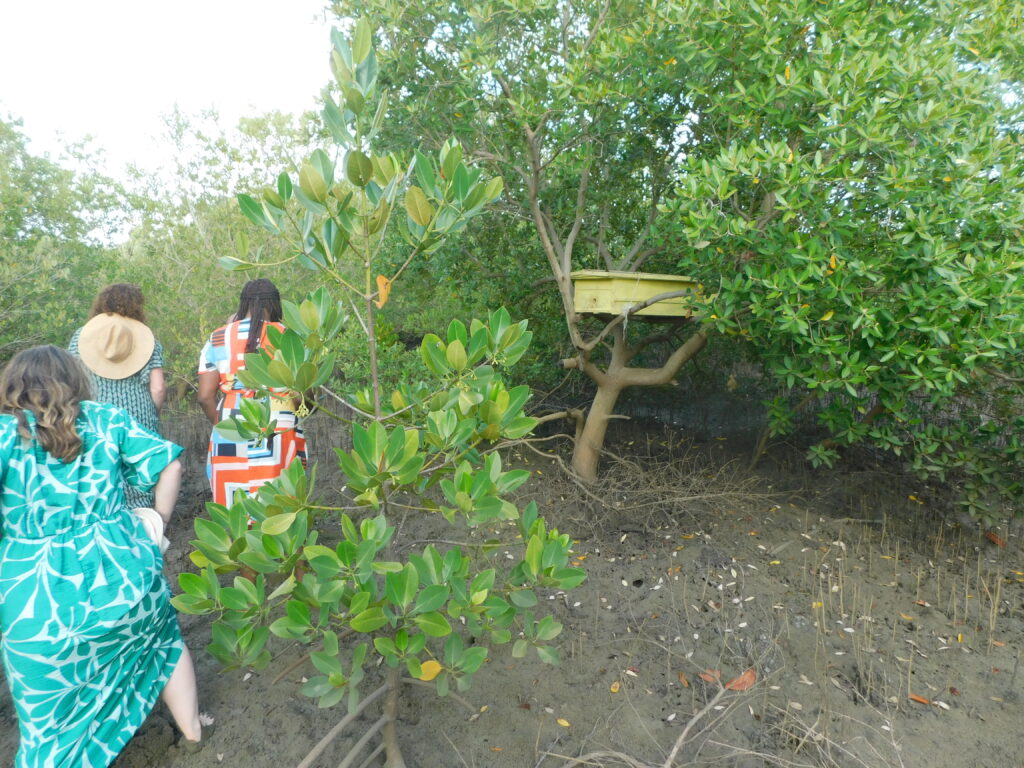
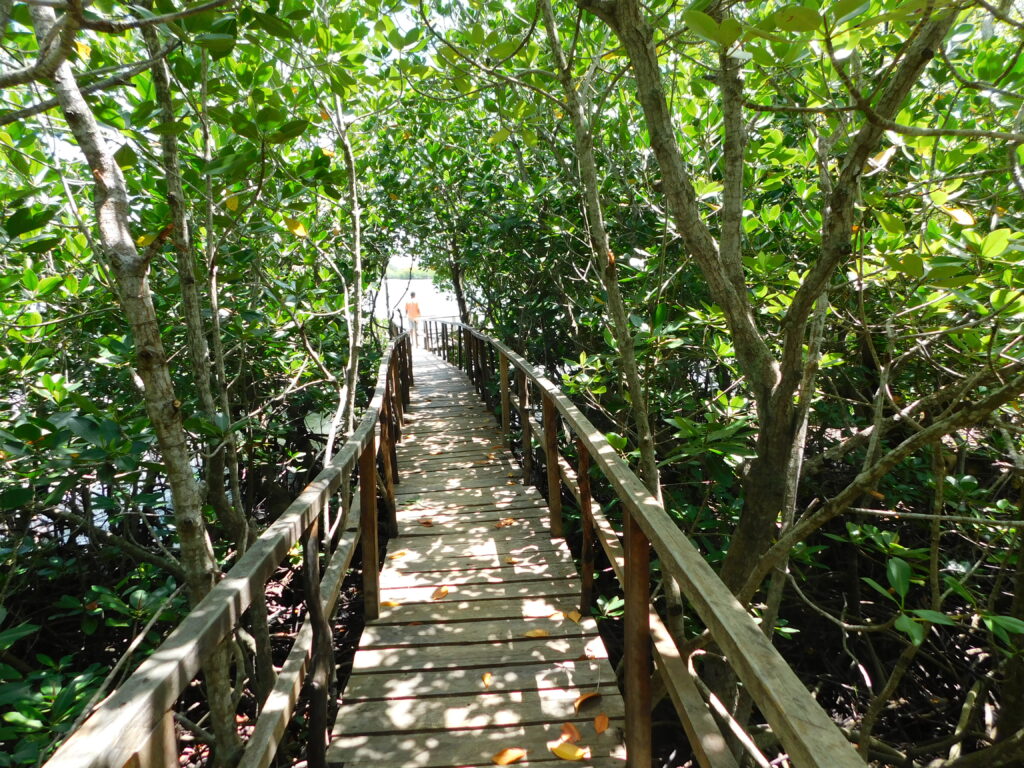
Today, mangrove conservation has been enhanced with people like Taura making money from ecotourism through boardwalks in mangrove forests and restaurants. Just like Comensum many such organizations have joined in the campaign and have now taken up beekeeping within mangrove forests and producing the best medicinal honey that is now dominating the market outlets.
Ecologically, mangroves are salt-tolerant trees and shrubs adapted to living in the intertidal zone, where they experience regular flooding by seawater. Their specialized root systems allow them to survive in waterlogged, oxygen-poor soils, while their complex root networks trap sediment and create habitat for a wide variety of marine organisms.
Kenya’s mangrove forests extend along much of its approximately 600-kilometre coastline. According to the Kenya Forest Service’s Mangrove Forest Management Technical Order, the country has approximately 61,271 hectares of mangrove forest, with about 61 per cent occurring in Lamu County, 14 per cent in Kwale, 14 per cent in Kilifi, 5 per cent in Tana River and 6 per cent in Mombasa. Kenya has nine recognised true mangrove species, with Rhizophora mucronata and Ceriops tagal among the dominant species.
Dr Judith Okello, a mangrove ecologist and a Principal Research Scientist at the Kenya Marine and Fisheries Research Institute –KMFRI. She is currently the Chairperson of the National Mangrove Management Committee bringing together the Kenya Forest Service, NEMA, Kenya Fisheries Service, Kenya Wildlife Service and KMFRI formed to follow up on the National Mangrove Management Plan of 2017.
“Mangroves are not just forests, it’s an ecosystem. The most important thing is for people to understand the benefits of this forest for people to conserve them. As KMFRI we strive to carry out research but in doing this we need to take whatever we find to the people.
“One of the benefits that is visible is the trees that communities use for building even though the harvesting of mangroves is only allowed in Lamu and this is because of the historical and cultural value the Lamu people attach to mangroves,” she said.
She said the tangled roots provide nursery and feeding grounds for fish, crabs, prawns and other marine organisms. “The forests also provide habitat for birds and other wildlife, trap sediments, protect shorelines from erosion and waves, and support livelihoods based on fishing, tourism, beekeeping and sustainable harvesting of forest products.”
Equally important, she said that mangroves are blue-carbon ecosystems coastal ecosystems capable of capturing and storing carbon in vegetation and, particularly, in their waterlogged soils and sediments. She added: “When mangrove forests are cleared or degraded, some of that stored carbon can be released into the atmosphere. Conversely, protecting intact forests prevents emissions while allowing continued carbon sequestration.”
Dr Okello said restoration should begin with understanding why mangrove ecosystems were degraded in the first place.
“Restoration is not just about planting trees, before planting, we need to assess the site, understand what caused the degradation and determine the most suitable solution. Sometimes restoring water flow or removing the cause of degradation is more effective than planting,” she said.
Additionally, Dr. Okello urged communities involved in mangrove restoration to follow the National Mangrove Ecosystem Restoration guidelines to ensure conservation efforts are effective and sustainable.
Kenya’s mangroves have historically faced multiple pressures, including unsustainable harvesting for poles and fuelwood, conversion of coastal land, infrastructure development, pollution and other forms of habitat disturbance.
Climate change adds another layer of vulnerability through sea-level rise and changing weather patterns. At the same time, changes in sediment and freshwater flows can affect the ability of mangrove ecosystems to regenerate naturally.
The challenges are not simply environmental. Mangrove forests are also sources of food, materials and income for coastal communities. Conservation policies that overlook these livelihood relationships can therefore create conflicts between environmental protection and local economic needs.
Omar Munga Chembe, a Kaya elder and an organizer for Mreroni Umoja Self-Help Group, a group that is involved in the conservation of mangroves in Jomvu, within the Tudor creek in Mombasa County is one of the champions of mangrove conservation.
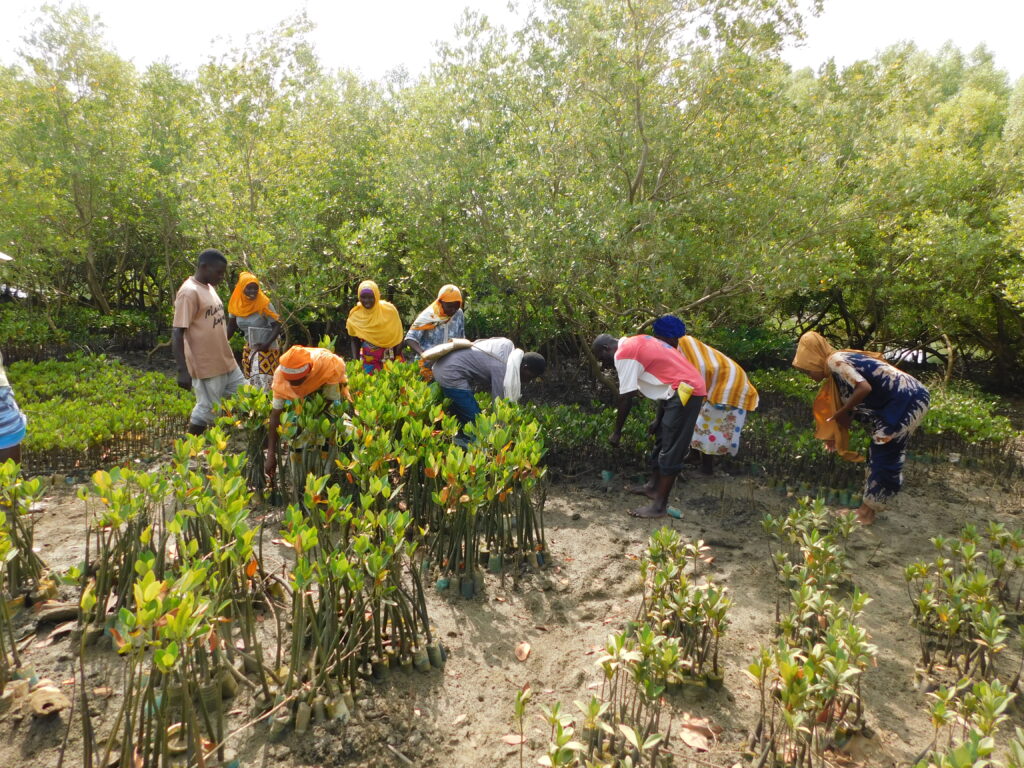
“In my capacity as a Kaya elder and custodian of the sacred forest, mangroves have been very key in helping us with medicines and many other things. When we realized that the mangrove forest was being degraded and almost being cleared through cutting, we saw it fit as a community from Mreroni to come in and start the conservation campaign.
“With the support from other organizations we were able to establish this group, bringing together elders, fishermen and other community members to start a serious mangrove restoration campaign,” he said.
At first, Chembe said they would move around the creek collecting mangrove seeds for planting and their efforts have been rewarded with a mangrove cover of about 3 hectares so far after planting over 12,000 seedlings.
“Most of the felling of mangroves was being done at night. They would then load the poles in boats. This area was bare but our efforts to restore the forest can be felt.
Blue Carbon
One of the most internationally recognised projects that pioneered the Blue Carbon trade is Mikoko Pamoja, meaning “Mangroves Together” in Kiswahili.
Located around Gazi Bay in Kwale County, Mikoko Pamoja began in 2010 and became the world’s first community-led blue-carbon project. The project uses carbon finance to support mangrove conservation while directing benefits towards local community priorities.
Mikoko Pamoja is verified by Plan Vivo Standards and Systems to sell approximately 3000 tons of carbon dioxide per year over a crediting period of 20 years.
According to Plan Vivo’s current project information, Mikoko Pamoja has 1,081 participating households and has had 22,169 Plan Vivo Certificates issued
The model is significant because it connects conservation, climate finance and community development.
According the Project Developer and Chief Scientist at KMFRI, Dr James Kairo, such efforts have sparked a flurry of activities even at the national level.
“The community participates in protecting and restoring the forest. Carbon benefits are quantified, certified and sold through the carbon market, while revenue supports locally determined development and conservation activities,” said Dr Kairo.
UNEP has described the project as an example of how community-based approaches can connect mangrove protection with direct benefits for local people.
“Projects such as Mikoko Pamoja show that community-based approaches to conservation and restoration can be effective in protecting unique ecosystems and ensuring that communities directly benefit.”
— Leticia Carvalho, UNEP Marine and Freshwater Branch.
Mikoko Pamoja concept was one of the highlights during the 2015 Conference of Parties (COP) 22 in Paris France where it was presented as one of the blue solutions to climate change problems raising the profile of Gazi in the world.
Today, Mikoko Pamoja has given birth to two successful community-led mangrove conservation projects in the Kenyan coast. They are the Vanga Blue Forest and the Lamu Blue Forest Project.
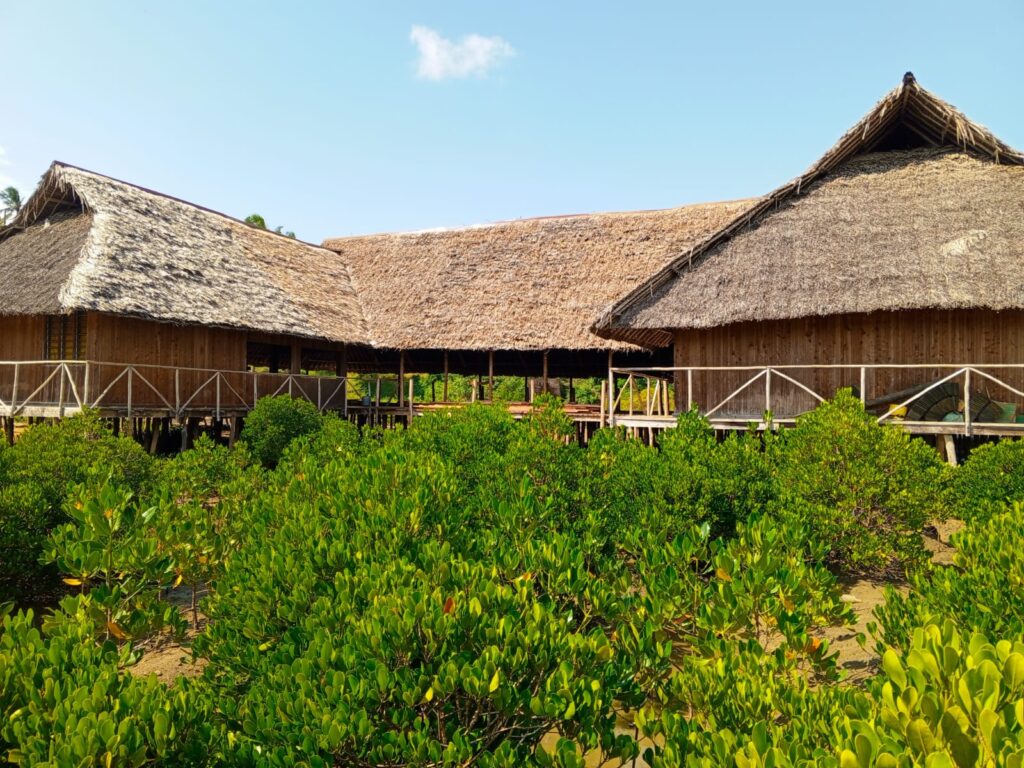
The Vanga Blue Forest Project in Kwale County was established in 2019 and operates across Vanga, Jimbo, Kiwegu and Jasini. The project works through the VAJIKI Community Forest Association and local Beach Management Units.
The project currently reports protection of approximately 460 hectares of mangrove forest and 224.5 hectares of seagrass, demonstrating an approach that considers mangroves and seagrass as interconnected coastal ecosystems rather than isolated habitats.
The Lamu Blue Carbon Project, launched in 2023 through the Go Blue initiative, seeks to involve local communities in conserving and restoring approximately 4,000 hectares of mangrove forest.
According to UNEP, the initiative is expected to generate carbon benefits of more than 50,000 tonnes of CO₂ equivalent annually.