BY MARICUS AGUTU
Maricus.agutu@greencommsinstutute.org
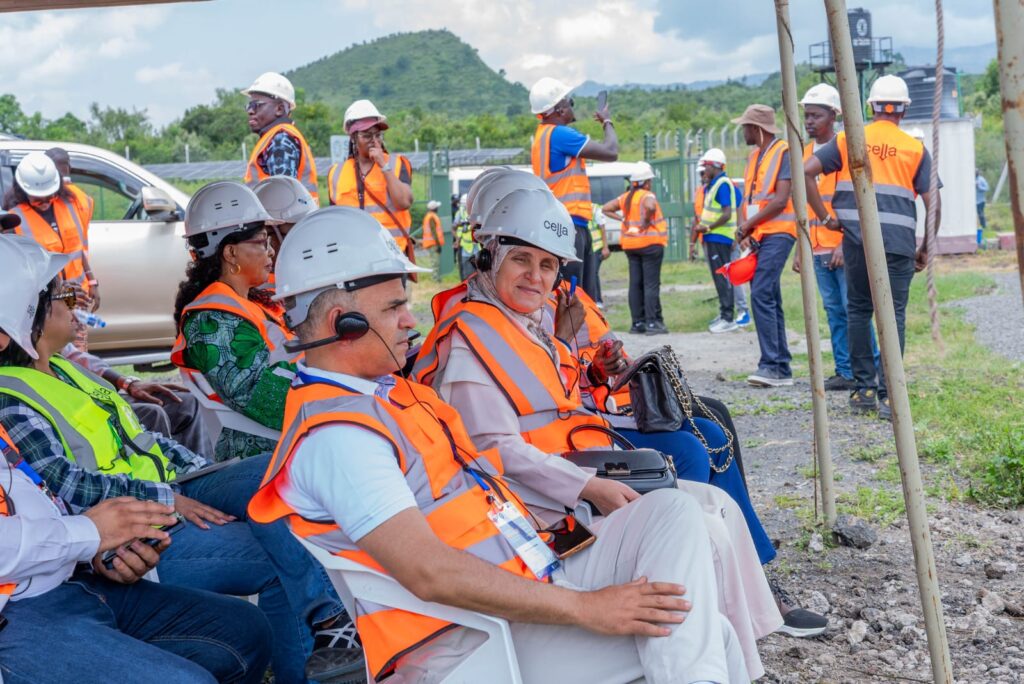
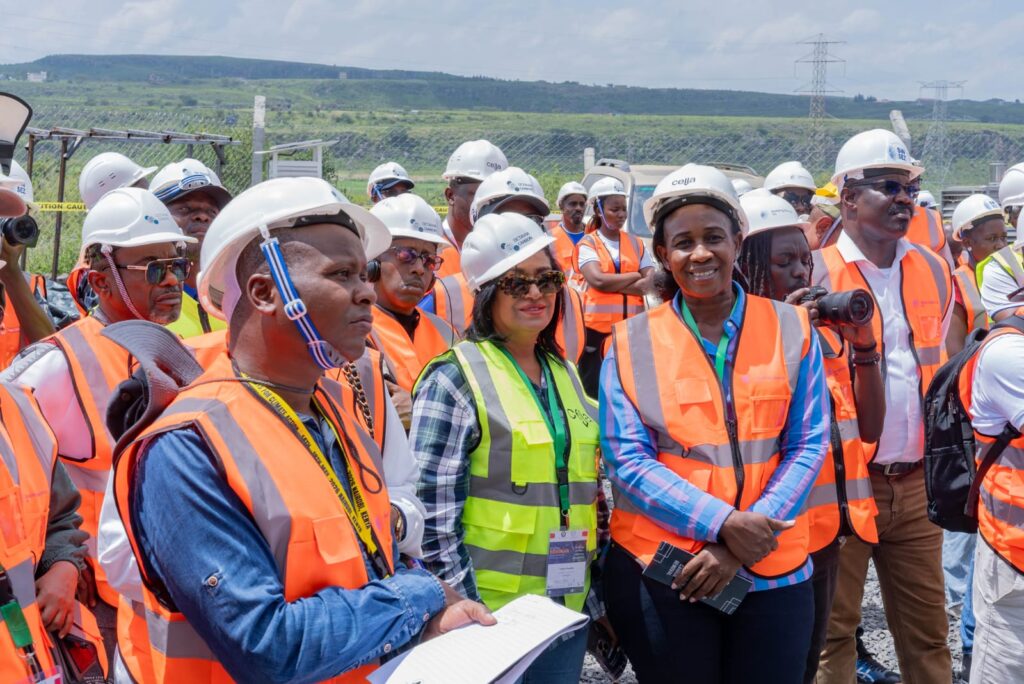
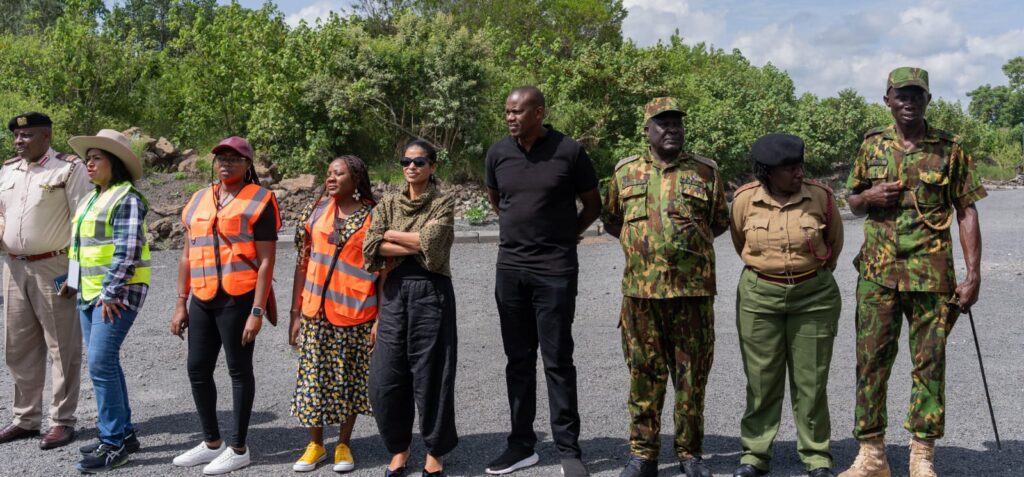
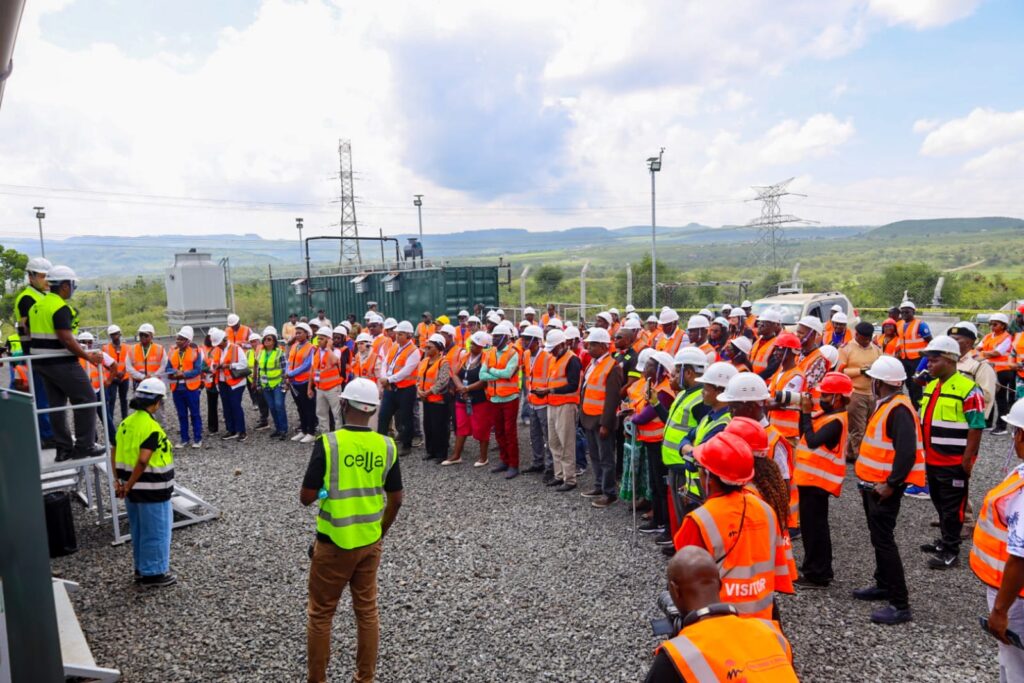
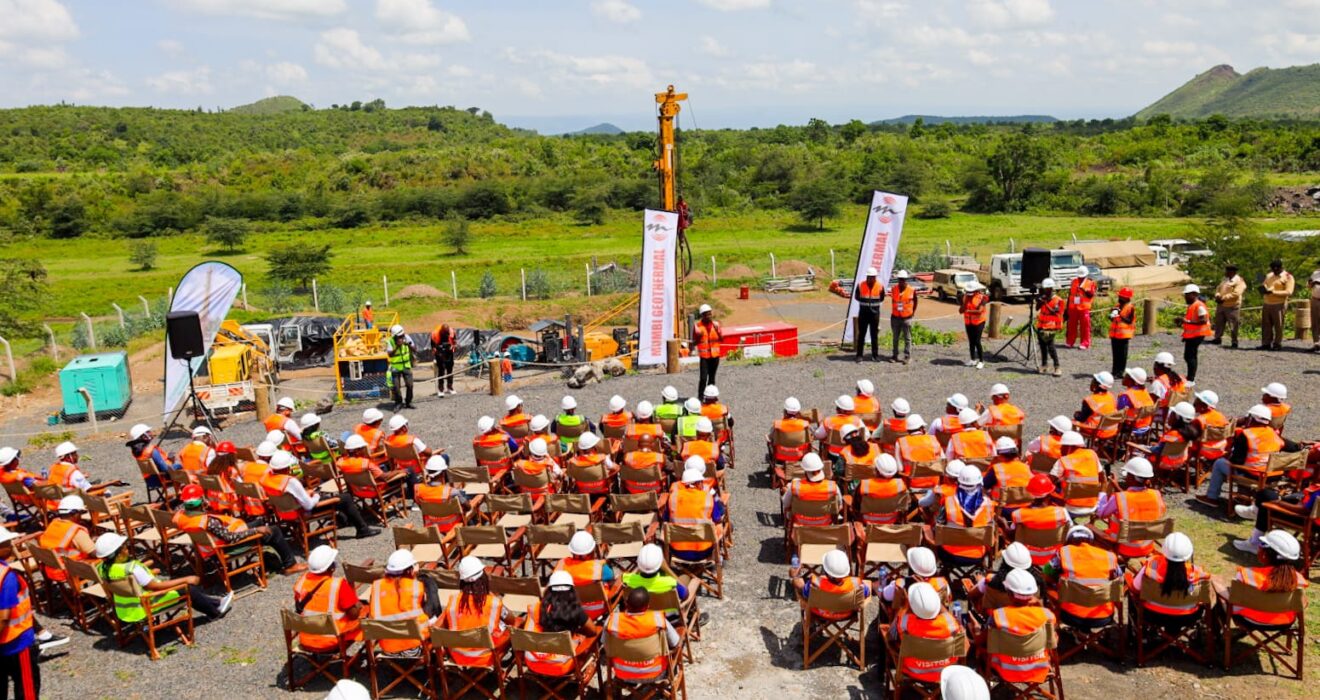
African parliamentarians attending a climate action seminar in Kenya made a gruelling journey from the capital city Nairobi to Elementaita in Nakuru county on Sunday to view sites featuring some of the continent’s most advanced climate technologies in use.
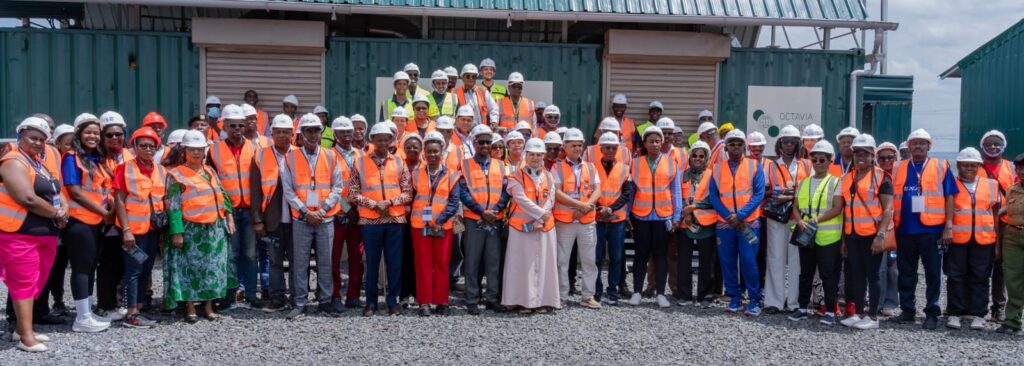
But the excursion was rewarding. The destination – the Sleeping Warrior Special Economic Zone at Elementaita, in Nakuru, Kenya is not your ordinary location.
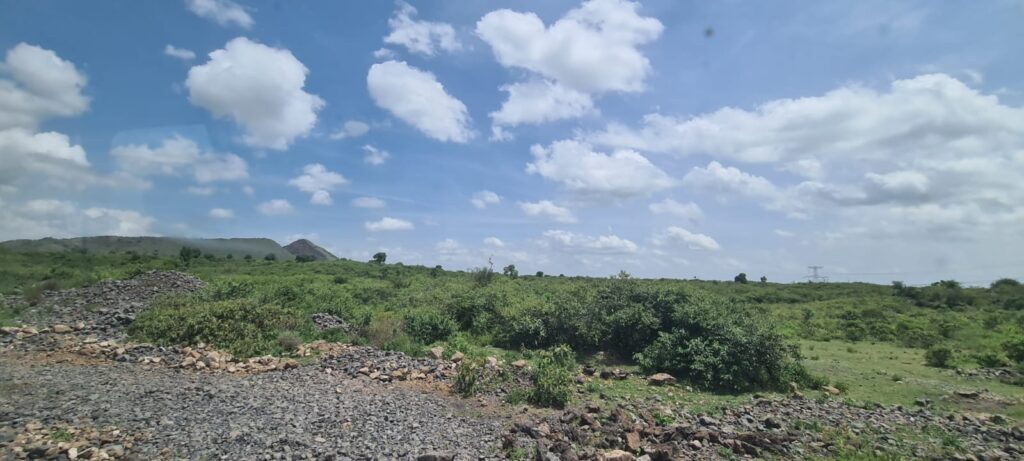
The 1,517-acre green industrial park sits at the foot of “Sleeping Warrior”, a hill whose physical outline symbolises a human form lying on its back, with the chin jutting skywards, from which it suitably earned the name.
It is powered by geothermal, solar, and wind energy, and is home to multiple carbon capture facilities, agro-processing, and clean manufacturing ventures, all deploying cutting-edge technology.
All around the hill and the park, is a veritable spread of scenic landscapes ringed by hills in the distance. It boasts of the expansive Lake Elementaita, whose saline water provide an inexhaustible supply of algae for the thousands of pink flamingos that wade in its shallow waters and parade themselves on its beaches.
This captivating ecosystem is also home to hot springs and geysers that churn out medicinal waters that tourists travel from across the globe to sample and savour.
The tour was a befitting climax to the landmark Regional Seminar co-hosted in Nairobi between May 14th-18th, 2026 by the Parliament of Kenya and Inter-Parliamentary Union (IPU), and whose theme was “African Parliaments for Climate Action: Reducing Methane, Promoting Development.”
It offered the parliamentarians a practical example of how an enabling policy environment and special economic zones can attract diverse
green investment, lower carbon footprints, and create employment – with lessons directly applicable to their own countries.

The visit exposed delegates to a practical model of green industrialisation that links clean energy, special economic zones, carbon dioxide removal, sustainable manufacturing, tourism and local employment creation.
And as the legislators acknowledged, the vit provided them with an opportunity to reflect on how legislation, budget-making, oversight and representation can support clean energy investment, climate-resilient industrial growth and inclusive development at national and sub-national levels.
The Sleeping Warrior SEZ is one of Kenya’s early move green industrial park projects. It sits on approximately 1,517 acres, with the first phase of about 300 acres currently under development.
It is planned as a mixed-use industrial park covering manufacturing, mining for construction aggregates and M-sand, logistics, hospitality and tourism, agro-processing, carbon capture, utilisation and storage, and other green industrial activities.
The SEZ is designed to aggregate up to 1GW of renewable energy in Elementaita. This energy aggregation model is intended to address energy poverty, provide cost-effective clean energy for large-scale industries and create a reliable demand base for renewable energy generation.
Th park is also complementary to Mumbi Limited, a sister company licensed to explore and develop a 140MW geothermal energy resources, with a first deep exploration well underway.
Why the field visit mattered to the parliamentarians
- The site demonstrates how a special economic zone can operate as a green energy zone by deliberately linking energy supply, industrial demand and climate technologies.
- For legislators, the model raises practical questions on the enabling legal and policy environment required for renewable energy investment, industrial siting, grid access, wheeling arrangements, carbon capture technologies, environmental safeguards, land use, local employment and benefit sharing.
- It illustrates how renewable energy projects can be anchored by industrial demand rather than treated only as a stand-alone generation assets.
- It provides an example of how counties and national agencies can attract climate-aligned investments through coordinated planning, infrastructure and investor facilitation.
- It creates a platform for oversight reflection on safety, environmental integrity, carbon accounting, community benefits, local skills and public-private partnerships.
- It offers lessons for replicating green energy zones in counties with renewable energy resources, industrial potential or strategic logistics advantages.
Objectives of the field visit
The field visit was a practical learning engagement and a follow-up to earlier parliamentary dialogues on energy access, clean industrial and climate action.
It enabled the legislators to:
- Appreciate the role of an enabling policy and regulatory environment in increasing renewable energy investments and investor confidence.
- Understand how Special economic Zones can serve as green energy zones where industries are empowered by clean energy, lowering carbon footprints while improving competitiveness and creating jobs.
- Draw lessons on how similar models cane be replicated in counties, particularly where renewable energy resources, land-use planning and industrial demand can be aligned.
- Reflect on how Parliament can strengthen legislation, budget oversight and policy scrutiny to align energy sector planning with industrial growth and climate resilience.
Acknowledging the value of the outcome to them, the parliamentarians lauded the tour saying it improved their understanding of special economic zones as enablers of clean industrialisation and renewable energy demand aggregation.
It bestowed on them actionable legislative and policy reform ideas to support renewable energy investment, carbon dioxide removal technologies, green manufacturing and sustainable enterprise development.
It also pointed to the potential of strengthened collaboration between parliamentarians, the private sector, development partners and public institutions in scaling green energy zones in Kenya and the wider region.
The sites at a glance:
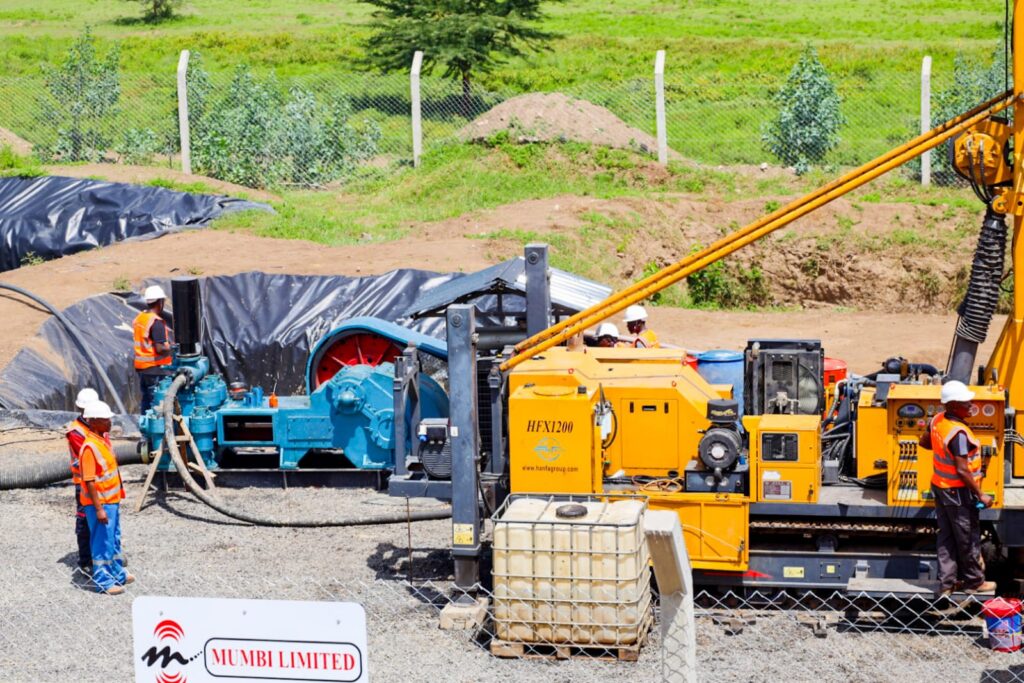
A geothermal project linked to the SEZ’s clean energy supply model. It demonstrates how green industrial parks can create captive demand for renewable energy and support the transition to green industrial power.
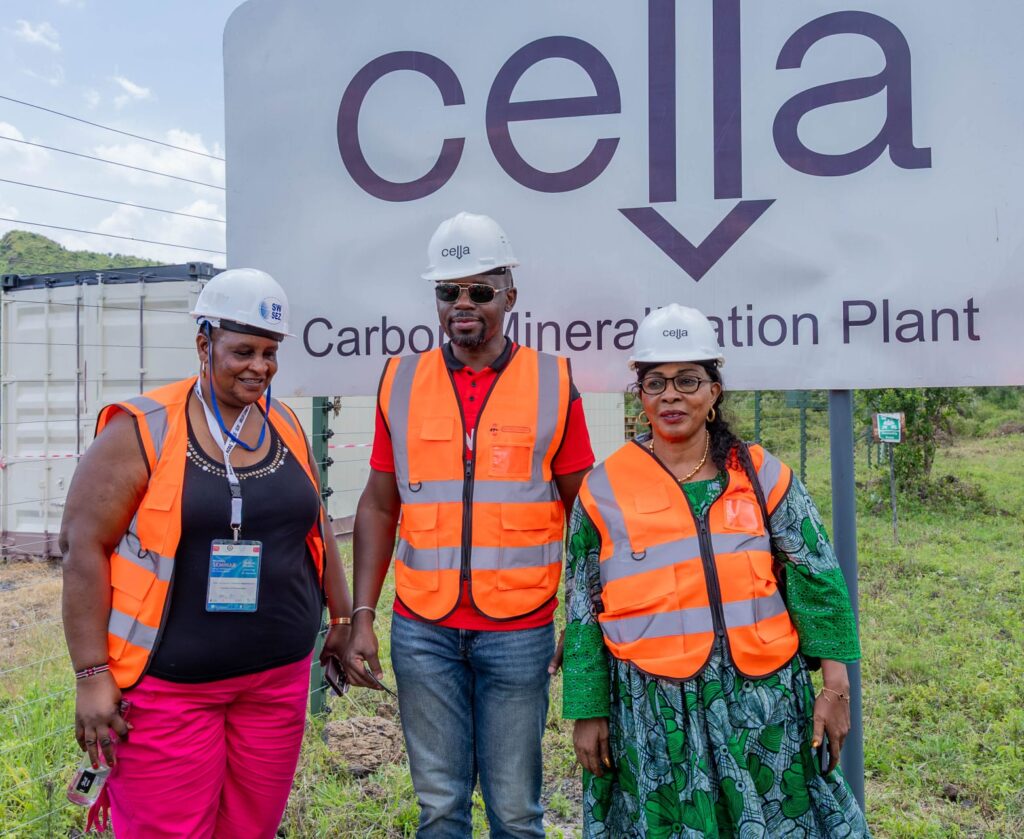
A carbon mineralisation and Direct Air capture ecosystem demonstrating how captured atmospheric Co2 can be injected into volcanic rocks for permanent storage. Sella’s pilot well could potentially store up to 50,000 tonnes of CO2 annually, while Sirona’s current DAC capacity is about 300 tonnes per year.
- Silk origin Integrated Geothermal Bio-Manufacturing
An enterprise cultivating silkworms for silk production, demonstrating how geothermal heat can support bio-manufacturing, value addition and local employment. - Kambi Moran Lodge and Outdoor Tourism
A hospitality and outdoor adventure facility showing how tourism and conservation-compatible enterprise cane be integrated into a green industrial park model. - Proposed Solar, storage and Green Ammonia Projects
Projects under consideration include a 7.5 MW solar power plant and a green ammonia facility pointing to the role of SEZs in attracting additional clean energy and industrial investments. - Octavia Carbon Direct Capture and Storage
A direct air capture project that captures carbon dioxide from the atmosphere, liquifies it and stores it in geothermal rock formations where it mineralises over time. Current stated removal capacity is about 300 tonnes of CO2 per year.